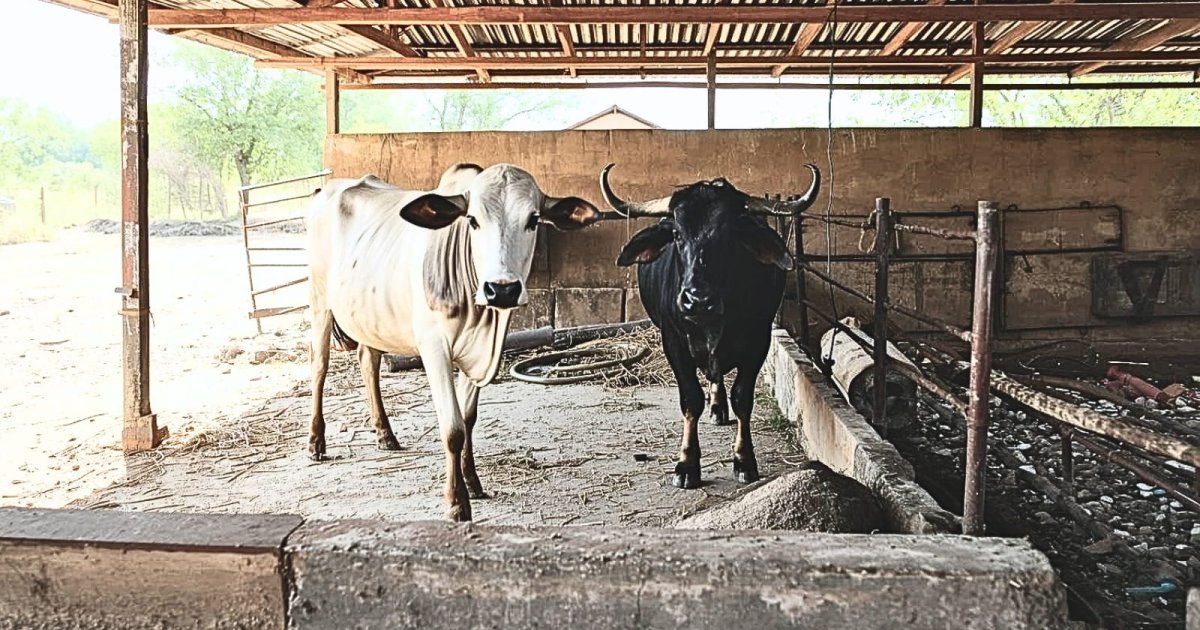
<h2>How to Protect Livestock from Heat Stress and Heatstroke in Summer: An Expert Guide for Small and Medium Livestock Farmers</h2>
<p>In most parts of India, the months of April, May, and June are among the most challenging periods for livestock farmers. In many regions, temperatures rise above 40 degrees Celsius, hot winds blow continuously, humidity drops, water sources begin to shrink, and even the quality of fodder starts getting affected. During such times, animals do not suffer only from heat itself; they also struggle with lack of water, reduced appetite, fatigue, stress, lowered immunity, decreased milk production, impact on reproductive performance, and at times even sudden serious illness. That is why the summer season demands the highest level of caution, planning, and understanding in livestock management.</p>
<p>Many livestock farmers assume that if an animal is eating, drinking, and standing, then everything is fine. However, from an expert perspective, this understanding is incomplete. In many cases, an animal is already affected by heat, but the initial signs appear very mild. It may eat slightly less fodder, remain standing for longer periods, search for shade, get tired easily, drink more water, and show a gradual decline in milk production. All of this is often ignored as normal. By the time the farmer understands the seriousness of the condition, production, health, and expenses have already been negatively affected. Therefore, summer management should not be seen merely as a matter of comfort, but as a matter of economic and health security.</p>
<p>Heat or heat stress does not simply mean a rise in temperature. Heat stress develops when environmental temperature, intensity of sunlight, air movement, humidity, and the animal’s ability to release body heat fall out of balance with one another. The animal’s body continuously tries to maintain its internal temperature. When it cannot do this easily, stress begins. In buffaloes, this problem becomes even more serious because their ability to sweat is limited, and their dark body color causes them to absorb more heat. In cows, especially high-yielding crossbred cows, the effect of heat can also appear quickly. Calves, pregnant animals, sick animals, and old animals remain at special risk during this season.</p>
<p>If any livestock farmer wants to understand how dangerous summer heat can be, they should remember just one thing—heat reduces milk, affects conception, increases disease, and raises expenses. In other words, heat damages livestock income from multiple directions. Milk yield drops, treatment costs go up, animals become weak, body condition worsens, and sometimes even the life of the animal may be at risk. Therefore, protection from heat is not only a matter of compassion, but an essential part of professional livestock management.</p>
<h2>Why It Is Important to Understand Heat Stress and Heatstroke</h2>
<p>In animals, heat stress and heatstroke can be seen at two different levels. Heat stress is a condition in which the animal is troubled by heat, but the situation can still be controlled. Heatstroke, on the other hand, is a severe condition in which body temperature rises excessively, breathing becomes rapid, the animal becomes extremely restless or very dull, and if immediate help is not provided, the situation can become life-threatening. Farmers often treat both as the same problem, but from a management point of view, identifying heat stress in the early stage is much more important, because that is where prevention is most effective.</p>
<p>At high temperatures, the animal first makes certain natural adjustments to reduce body heat. It eats less fodder so that less additional heat is produced during digestion. It drinks more water to keep the body cool. It may prefer to remain standing rather than sitting so that more air can pass around its body. It tries to avoid direct sunlight. A dairy animal may reduce milk production in order to lower the internal burden on the body. This is why a decline in milk during summer is not only a nutritional issue, but may also be a protective response of the body.</p>
<p>In some areas, people believe that if an animal is left open, it will take care of itself. This is only partly true. If there are enough trees, cool ground, water, and safe shade, then the animal may gain some natural comfort on its own. But in modern livestock systems, animals are often kept in limited spaces, tin-roofed sheds, enclosed rooms, concrete floors, and poorly ventilated structures. In such conditions, the impact of heat increases many times over. Therefore, good management is the real protection.</p>
<h2>Which Animals Are at the Highest Risk</h2>
<p>Any animal can be affected by summer heat, but some groups are more sensitive than others. First among them are high-yielding cows and buffaloes. Because their metabolic rate is high, their bodies continuously generate more heat. The second category includes pregnant animals, especially those in the last months of pregnancy. Their bodies are already under additional pressure. The third group consists of newborn and young calves, because their ability to regulate temperature is not fully developed. The fourth group includes old and sick animals, whose tolerance is lower.</p>
<p>In the case of buffaloes, the risk from heat is considered especially high. They get relief by sitting in cool water, mud, or water pools. If they do not get such a facility, their stress may rise very quickly. On the other hand, exotic breeds and high-producing crossbred cows may also get disturbed by heat more easily. Indigenous breeds are generally considered somewhat more tolerant, but that does not mean they do not need protection. A major mistake of small livestock farmers is that they consider local animals to be “strong” and become careless during hot weather.</p>
<h2>Economic Impact of Heat on Livestock</h2>
<p>The most direct impact of summer heat is seen on milk production. When an animal eats less fodder, its intake of energy, protein, and other nutrients declines. As a result, milk production falls. In many cases, a dairy animal may suddenly show a decline of 10 to 30 percent in milk yield, and under severe conditions the reduction may be even greater. This loss is not limited to one or two days; in many cases the animal does not return fully to its earlier level very quickly.</p>
<p>Heat also has a deep effect on reproduction. In many animals, the signs of heat become weak, timely detection does not occur, conception rate declines, difficulty in becoming pregnant increases, and the risk of miscarriage or adverse effect on the embryo may also rise. If a livestock farmer understands dairy economics, they know that failure of an animal to conceive on time is a major financial loss. Heat indirectly strikes in this direction as well.</p>
<p>The third loss is related to health. In summer, due to lower feed intake, water shortage, electrolyte imbalance, contaminated water, dirty sheds, flies, and infections, many secondary problems arise. The animal becomes weak, the need for medicines increases, dependence on veterinary care rises, and more time is required for management. That is why experts consider heat management to be a foundation of disease prevention.</p>
<h2>Early Signs of Heat Stress or Heatstroke in Animals</h2>
<p>An animal affected by heat gives many signals. If the livestock farmer remains alert, the problem can be identified in its early stage. Common symptoms include rapid breathing, breathing with an open mouth, tongue hanging out, restlessness, repeatedly standing up and sitting down, avoiding sunlight, discomfort even in shade, eating less fodder, drinking more water, reduced milk yield, feeling hot to touch, dryness of the nose, excessive salivation, or in some cases dullness.</p>
<p>In some animals, body temperature may also be found elevated. In severe conditions, the animal may stagger, the eyes may appear dull, responsiveness may slow down, and it may have difficulty in getting up after sitting. If breathing is very fast, the body feels very hot, and the animal appears extremely weak, the situation should be treated as an emergency.</p>
<p>It is important to remember that not every heat-affected animal behaves in the same way. Some animals become very restless, while others become quiet and dull. In many cases, reduced milk may be the very first sign. Therefore, the farmer should not watch only for disease-like symptoms, but should also observe behavior, appetite, water intake, and daily production.</p>
<h2>Proper Management of the Animal Shed</h2>
<p>The strongest basis for protection against summer heat is proper shed management. If the place where the animal lives is hot, enclosed, suffocating, and filled with sunlight, then all other measures will have only limited impact. The shed should be designed in such a way that direct sunlight is reduced, air movement remains good, the effect of a heated roof is minimized, and the floor does not absorb excessive heat.</p>
<p>In villages, many sheds have tin roofs. These may protect well from rain, but in summer they can become like a furnace. If the shed has a tin roof, local insulation arrangements such as grass covering, jute sacks, shade net, white paint, a layer of mud, or other locally suitable methods can be used above it. A white or light-colored roof absorbs less solar heat. If possible, the roof should be kept sufficiently high so that hot air accumulates above and the temperature remains lower at the level where the animal stands.</p>
<p>A well-ventilated shed is extremely important. Open space in the front and back, a higher roof, attention to the direction of wind, and adequate spacing between animals greatly help in reducing heat. Many livestock farmers tie too many animals in one place, and the body heat from the animals themselves further heats the environment. Overcrowding is a major mistake in summer. The greater the crowding, the greater the stress.</p>
<p>If there is an open courtyard, shade from trees is extremely beneficial. Neem, sissoo, khejri, banyan, peepal, arjun, or other locally suitable shade-giving trees provide long-term natural relief to the livestock area. Trees do not provide only shade; they also help balance the surrounding microclimate.</p>
<h2>Floor, Cleanliness, and Moisture Balance</h2>
<p>In summer, floor temperature also affects the animal. A very hot concrete floor can make both standing and sitting uncomfortable for the animal. Where possible, a light sprinkling of water on the floor can be done, but it must be remembered that continuous wetness and filth can increase infection, slipperiness, and hoof-related problems. Therefore, the aim should be cooling, not muddy conditions.</p>
<p>The shed should be cleaned regularly. In summer, dung, urine, leftover fodder, and dirty water quickly produce foul smell, flies, and bacterial growth. A dirty place increases stress in animals and creates an environment favorable for disease. Cleanliness is not only for appearance; it is a basic pillar of health protection.</p>
<p>An animal rests better in a dry, clean, and cool place. Where the animal rests comfortably, it will ruminate better, eat better, and produce better. Therefore, providing a comfortable lying area is especially important in summer.</p>
<h2>Water: The Greatest Lifesaving Element in Summer</h2>
<p>In the summer season, water is the most important subject. For the animal, water is not only a means of quenching thirst, but the main foundation for maintaining body temperature, supporting digestion, sustaining circulation, maintaining milk production, and preventing dehydration. Lack of water can multiply the harmful effects of heat.</p>
<p>Dairy animals in particular must receive adequate clean water repeatedly. The water should be fresh, not excessively hot, and easily accessible. A common mistake made by many small farmers is that they provide water only two or three times a day. In summer, many animals cannot remain satisfied with that. The ideal situation is that the animal should have repeated access to clean water.</p>
<p>Cleaning of water vessels, tanks, and troughs is very important. In hot weather, water becomes contaminated quickly, and algae, dirt, insects, or decay may develop in it. Drinking dirty water increases the risk of digestive disorders and infections. Cleanliness of water is just as important as its availability.</p>
<p>For buffaloes, where possible, arrangements for cool water, bathing, or a water pool provide major relief. But if the pool or tank is dirty, it can cause harm rather than benefit. Therefore, in every water-related arrangement, cleanliness must remain the highest priority.</p>
<h2>Feeding and Nutritional Management</h2>
<p>In summer, the animal’s feed intake may naturally decline to some extent. Therefore, nutritional management should be based on the principle of “more nutrition in whatever amount the animal is able to eat.” Heavy, stale, moldy, heated, or spoiled fodder should never be given. Feeding in the early morning and evening, when temperatures are lower, is more beneficial. Many animals eat less during the hottest part of the day but eat better during cooler hours.</p>
<p>Green fodder is beneficial in summer because it also provides some moisture and freshness. However, sudden feeding of excessive green fodder or poor-quality fodder can disturb digestion. Balance is essential. The proportion of dry fodder, green fodder, and concentrate should be decided according to the condition of the animal, milk production, and availability of feed.</p>
<p>Proper use of mineral mixture and salt is very important. In summer, due to panting, higher water intake, and changes in body balance, electrolyte status may be affected. Sometimes the animal needs not just ordinary nutrition, but the right mineral balance. Mineral mixtures, salt licks, or electrolyte supplements given according to the advice of a veterinarian or nutrition expert can be very useful.</p>
<p>For high-producing animals, energy and protein balance is also important. If the animal is eating less fodder in summer, its ration should be such that it can provide adequate nutrition even in a smaller quantity. However, any change should be made gradually. Sudden changes in ration can create even more stress during summer.</p>
<p>Moldy grain or silage, rotten straw, fodder that has remained wet for a long time, or feed with a bad smell should never be given. In summer, such feeds spoil quickly and may cause toxicity or indigestion.</p>
<h2>The Right Time and Method of Feeding</h2>
<p>In the summer season, timing is as important as nutrition. Instead of giving heavy feed during the hottest part of the day, it is more useful to provide the main ration early in the morning and after sunset in the evening. This helps the animal eat comfortably. During the afternoon, light, fresh, and appropriately smaller quantities of fodder may be more suitable.</p>
<p>If the animal is tied in one place, the feeding trough should be positioned so that direct sunlight falls on it as little as possible. Fodder kept in direct sunlight heats up quickly and becomes less appealing to the animal. Many farmers complain that the animal is refusing fodder, while the real cause may be that the fodder is hot, stale, or less palatable.</p>
<h2>Local and Low-Cost Cooling Measures</h2>
<p>Not every livestock farmer can install expensive machines. But many local and affordable measures can also be very effective. These include using shade nets, covering the roof with grass or jute sacks, light water sprinkling in the morning and evening, applying mud or reflective white coating, planting trees, opening up air passages, reducing crowding, and increasing water availability.</p>
<p>Where electricity is available, fans and foggers or misting systems can be useful. However, attention must be paid to maintaining the right balance between airflow and moisture. In some conditions, merely increasing humidity without proper ventilation can worsen the problem. Even a simple fan, if installed at the correct height and in the proper direction, can provide relief to the animals.</p>
<p>In some areas, bathing animals in the morning or evening is beneficial, especially for buffaloes. However, using very cold water, soaking the animal excessively all at once, or throwing water incorrectly during peak heat may increase discomfort or stress in some animals. Therefore, local experience and the condition of the animal should always be considered.</p>
<h2>Special Precautions for Buffaloes</h2>
<p>Buffaloes can suffer the most during summer. Their dark body absorbs more heat, and their sweating ability is limited. Therefore, cool water, bathing, dense shade near a wall or sheltered area, and complete protection from the harsh afternoon sun are extremely important for buffaloes.</p>
<p>Where possible, buffaloes may be provided access to sit in water or have their bodies wetted during the hottest part of the day. However, this facility must be kept clean. Muddy, dirty water and contaminated pools filled with parasites or infections can cause long-term harm. Therefore, in buffalo management, both water and cleanliness must go hand in hand.</p>
<h2>Special Management for Dairy Cows</h2>
<p>In milk-producing cows, the effect of heat may be seen very quickly in production. High-yielding cows produce more internal heat because of their high metabolism. They need good ventilation, shade, adequate water, and a well-balanced, high-quality ration. These are extremely important for them.</p>
<p>The timing of milking should also be managed properly in summer. Milking during excessively hot hours may disturb the animal further. Milking in a clean, cool, and low-stress environment is better for both production and health. If the animal is restless due to heat, its behavior during milking may also change. Therefore, heat management has a direct connection with the milking process as well.</p>
<h2>Care of Pregnant Animals</h2>
<p>Pregnant animals require special protection in summer. In the final stage of pregnancy, the animal is already under physical pressure. If heat stress is added during this time, appetite may decrease, weakness may increase, and complications at the time of calving may rise. Therefore, pregnant animals should be kept in a calm, shaded, clean, and well-ventilated place.</p>
<p>Such animals require continuous access to water and balanced nutrition. During extreme heat, long-distance walking, unnecessary movement, crowding, and being tied for long hours in direct sun can be dangerous. If a pregnant animal appears dull, is drinking less water, or shows changes in behavior, it should not be considered normal.</p>
<h2>Protection of Newborn and Young Calves</h2>
<p>Young calves can be affected by heat just as much as adult animals, and at times even more. They should neither be kept in direct sunlight nor in suffocating closed spaces. Many livestock farmers keep calves in small enclosed rooms or tin-covered sections where airflow is poor. This can be a serious mistake.</p>
<p>The place for calves should be clean, dry, shaded, and well ventilated. They should receive clean water and appropriate feed according to their age. In newborn calves, dehydration and weakness can increase quickly. If they appear dull, lie down repeatedly, drink less, or breathe very rapidly, immediate attention is needed.</p>
<h2>Timing of Grazing and Taking Animals Outside</h2>
<p>Changing the grazing schedule during summer is highly useful. Taking animals out for grazing under the harsh afternoon sun is an invitation to many problems. Early morning and evening grazing are comparatively safer. If animals must remain outside for a long time, shade and water availability should be ensured in between.</p>
<p>In open grazing areas where there are few trees, animals can become tired very quickly. In such cases, reduce the grazing duration and bring them back to the shed for rest. In areas where hot winds are intense, movement of animals during the afternoon should be avoided as much as possible.</p>
<h2>Precautions During Transport and Driving Animals</h2>
<p>Moving animals from one place to another can be more risky in summer. Whether they are being taken to market, for treatment, or because of buying and selling, choosing the right time is important. Early morning or evening is better. Crowded vehicles, long travel without water, and standing in direct sunlight can create serious stress.</p>
<p>In many villages, animals are still driven on foot over long distances. This should not be done in summer without precautions. Repeated rest, water, and access to shade must be ensured. During days of hot winds, avoiding unnecessary driving of animals is the safest approach.</p>
<h2>Flies, Dirt, and Associated Diseases</h2>
<p>The number of flies rises in summer. Wet dirt, dung, urine, spoiled fodder, and foul-smelling areas allow flies and insects to multiply rapidly. These not only trouble the animals but may also contribute to the spread of disease. Therefore, fly control, cleaning of drainage channels, proper disposal of dung, and regular washing are very important.</p>
<p>During the summer season, skin diseases, diarrhea, dehydration, reduced appetite, hoof problems, and general weakness may also appear more often. It must be remembered that heat does not bring only one problem; it prepares the ground for several others.</p>
<h2>Electrolyte and Mineral Balance</h2>
<p>In summer, providing only water is not always enough. At times, the balance of salts and minerals in the body may also become disturbed. Salt, mineral mixture, and electrolyte supplements as required can be helpful. But these should be used wisely. The need of every animal is not the same. Dairy animals, sick animals, animals suffering from diarrhea, or animals living in regions of extreme heat require extra attention.</p>
<p>Excess use without expert guidance is also not appropriate. Therefore, it is better to prepare a regular supplementation plan only after consulting a veterinarian, dairy expert, or animal nutrition specialist.</p>
<h2>When a Veterinarian Should Be Called Immediately</h2>
<p>If the animal is breathing very rapidly, cannot get up, is panting with its mouth open, appears extremely dull, feels very hot, is collapsing repeatedly, is not drinking water, or shows signs such as convulsions, then immediate veterinary attention is necessary. This should not be treated as a situation for waiting.</p>
<p>Some farmers waste time in home remedies, and the severe condition worsens. As primary relief, the animal should be brought into shade immediately, separated from the crowd into a calm area, given access to airflow, and efforts should be made to cool the body gradually. But in severe cases, expert treatment is essential.</p>
<h2>General Principles of First Aid in Summer</h2>
<p>If an animal appears affected by heat, the first step is to remove it from direct sunlight and bring it into shade. Arrange airflow around it. Provide clean water, but do not force it to drink rapidly. If the body is excessively hot, cooling should be attempted gradually. Normal or mildly cool water may be used over the head, neck, legs, and body, but very cold water should not be used suddenly in a way that shocks the animal.</p>
<p>The animal should be allowed to rest and kept away from noise and crowding. If it is a dairy animal, a pregnant animal, or if serious symptoms are present, veterinary advice must be taken immediately. Medicine should not be given casually in every case, so self-administered injections or treatment should be avoided.</p>
<h2>Daily Summer Management Plan</h2>
<p>A wise livestock farmer changes the daily routine in summer. Early in the morning, clean the shed, provide fresh water, give the main feed, inspect the animals lightly, and if needed, bathe them or sprinkle water. During the afternoon, animals should receive full shade, enough water, minimal activity, and a calm environment. In the evening, the main ration can be given again, water should be provided, and the body condition and behavior of the animal should be observed. At night, the shed should remain well ventilated and flies and mosquitoes should be controlled.</p>
<p>If the farmer maintains a small daily record of water intake, milk yield, appetite, dung, movement, and any special behavior, the effects of heat can be understood much earlier. Large dairy farms do this regularly, but small farmers can also adopt this habit in a simple form.</p>
<h2>Common Mistakes Made by Small Livestock Farmers</h2>
<p>The first mistake is leaving a tin shed without any insulation. The second is inadequate water arrangement. The third is feeding, grazing, or driving animals during the afternoon. The fourth is ignoring early signs of heat stress. The fifth is overcrowding. The sixth is treating dirt and flies as normal. The seventh is neglecting fodder quality. The eighth is assuming that an indigenous or apparently strong animal will not be affected by heat.</p>
<p>In addition, some farmers respond only when milk has already declined, whereas by then the body may have already been affected. The right approach is to prepare before the summer heat begins.</p>
<h2>Long-Term Solutions: Change the System, Not Just the Season</h2>
<p>Summer will return every year. Therefore, instead of relying only on temporary measures each time, some permanent improvements are also necessary. These include correcting the direction of the shed, increasing roof height, planting trees, creating a permanent water tank, adopting a well-ventilated design, improving the floor, and deciding the number of animals according to available space. Such measures give benefits for many years through a one-time investment.</p>
<p>Success in livestock farming comes to those who know how to adjust their systems according to the season. Summer, monsoon, and winter each require a different approach. The farmer who understands animals as “living assets” creates a more suitable environment for them and gains better long-term returns.</p>
<h2>The Ten Most Important Measures from an Expert Perspective</h2>
<p>First, always provide adequate shade. Second, ensure clean and sufficient water. Third, maintain good airflow in the shed. Fourth, feed the main ration during cooler hours of the day. Fifth, reduce overcrowding. Sixth, arrange special cooling measures for buffaloes. Seventh, give separate attention to pregnant and weak animals. Eighth, control dirt and flies. Ninth, monitor early symptoms daily. Tenth, seek veterinary help immediately if severe signs appear.</p>
<h2>Conclusion</h2>
<p>Protecting livestock from heat stress and heatstroke in summer is not the result of any single measure. It is the combined outcome of shade, water, nutrition, cleanliness, time management, rest, monitoring, and sensitive care. For small livestock farmers, it is very important to understand that prevention during summer is far cheaper, easier, and more effective than treatment. A bucket of clean water, good shade, slightly better cleanliness, proper feeding time, and alert observation of the animal’s behavior—these simple-looking steps can prevent major losses.</p>
<p>Animals cannot speak, but their bodies and behavior keep giving us signals. The livestock farmer who learns to understand these signals becomes successful in the truest sense. Summer may be a difficult season, but with the right preparation, wise use of local resources, and expert thinking, it can be managed safely and effectively. If animals remain healthy, then milk production, reproduction, labor value, and income all remain better. Therefore, this summer, do not focus only on temperature—focus on the comfort, safety, and dignity of your animals. That is the true mark of responsible and profitable livestock farming.</p>
<p><strong>Disclaimer:</strong> This article has been written for general livestock awareness and management purposes. If an animal shows rapid breathing, extreme dullness, collapsing, very high body temperature, refusal to drink water, or any other serious symptoms, contact a qualified veterinarian immediately.</p>
<hr>
<h2>Author Profile</h2>
<p><strong>Dr. Mukesh Swami</strong> is an experienced veterinarian, social worker, and nature-dedicated public awareness advocate. He has long experience in the fields of livestock management, animal health, rural awareness, environmental protection, and bird and animal care. Even after retirement, he continues to travel from village to village and city to city through his Caravan, conducting awareness campaigns among livestock farmers, students, and the general public.</p>
<p>Through efforts connected with <strong>Shristimitraa</strong>, he has consistently spread the message of animal and bird protection, greenery, compassion, and responsible living. His strength lies in explaining livestock-related subjects in a simple, practical, and ground-level language so that small and medium livestock farmers can also benefit easily from expert knowledge.</p>
<p>His objective is not only to provide information, but to share useful understanding that helps animals remain healthy, reduces the expenses of livestock farmers, improves productivity, and makes rural life safer and more compassionate.</p>