The most common and contagious disease in animals during winter: Foot-and-mouth disease (FMD)
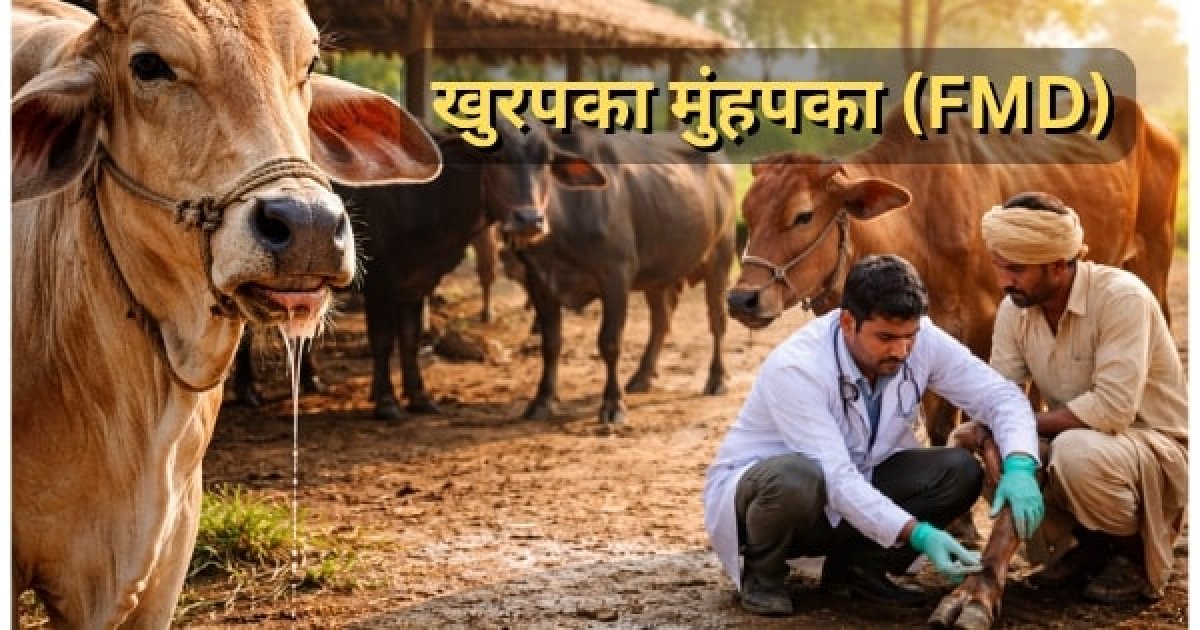

Foot-and-mouth disease (FMD)
Complete information on the symptoms, causes, prevention, and vaccination of Foot-and-Mouth Disease (FMD) that spreads among cows and buffaloes during winter – an extremely useful guide for livestock farmers.
Winter is considered a comfortable season for livestock, but it is also the most favorable time for the spread of Foot and Mouth Disease (FMD). This disease spreads rapidly among cattle, buffalo, sheep, goats, and pigs, significantly impacting milk production and animal health.
What is FMD?
FMD is a highly contagious viral disease. The disease can spread rapidly through air, direct contact, contaminated feed and water, shoes and clothing, vehicles, and animal movement.
Why is FMD more prevalent in winter?
Several factors combine to increase the risk of FMD in winter:
1) Animals spending more time in herds
2) Less sunlight and more humidity due to cold/fog
3) Lack of ventilation in animal sheds
4) Weakened immunity
5) Increased movement of animals at fairs/markets
Main Symptoms
Common symptoms of FMD can include:
• Fever
• Blisters/sores on the mouth, tongue, and gums
• Excessive salivation
• Decreased/stopped feeding
• Sores, pain, and lameness between the hooves
• Sudden drop in milk production
Note: This disease can be more serious in young calves, so seek immediate attention if symptoms appear.
Treatment vs. Prevention
There is no single, direct cure for FMD, but proper care can help animals recover quickly. True protection comes from timely vaccination.
Vaccination (FMD Vaccine) – The Most Important Step
• It is best to administer the FMD vaccine every 6 months (as advised by your local veterinarian).
• Vaccinate all healthy animals in the herd at the same time.
• Keep animals away from unnecessary stress, long-distance travel, and markets/haats for 10–15 days after vaccination.
What precautions should be taken at home?
1) Isolate sick animals immediately.
2) Keep the animal shed dry, clean, and well-ventilated.
3) Spray disinfectant (such as phenyl) or lime on floors/paths Use.
4) For mouth sores, apply appropriate medication/ointment as advised by a veterinarian.
5) Keep hooves clean; if necessary, clean them with lukewarm water.
6) Provide a soft and nutritious diet; always have clean water available.
Animal Husbandry Tips
Foot and mouth disease is a disease that affects not only the animal but also the income of the animal owner. So, remember three things:
• Timely vaccination
• Cleanliness
• Early detection and prompt advice
Disclaimer: This information is for general awareness. Please get treatment/vaccination done only after consulting the veterinarian/veterinary hospital in your area.