Native vs. foreign breeds – which cow or buffalo is right for your region?
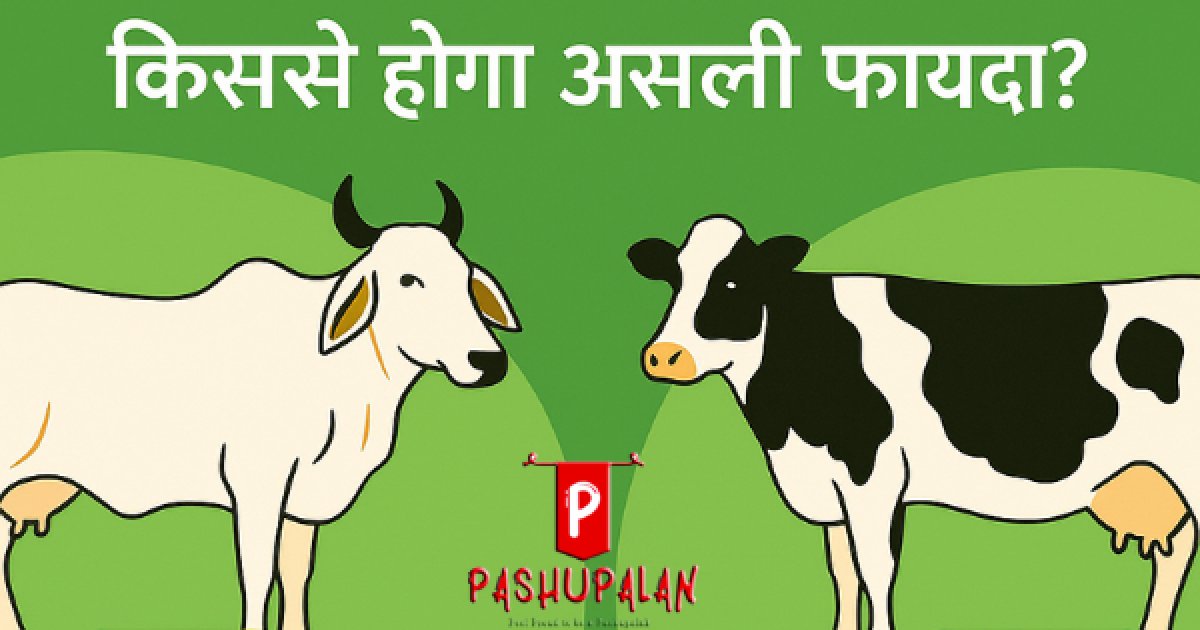

Indigenous vs Exotic Breeds
What are the differences between indigenous and exotic breeds of cows and buffaloes? Learn which breed is most suitable for your region based on milk production, care requirements, temperature tolerance, and disease resistance.
Indigenous vs Exotic Breeds – Which Cow or Buffalo Is Right for Your Region?
In India, animal husbandry is not just a livelihood but an integral part of culture and tradition. Every region has its own climate and fodder availability, so it is essential for every farmer to understand which breed is most suitable for their specific area.
🐮 Key Features of Indigenous Cows
- Higher disease resistance: Indigenous cows such as Sahiwal, Gir, Tharparkar, Rathi are better adapted to local diseases and climatic conditions.
- Lower maintenance cost: They can be reared easily on local fodder and in open environments.
- Medicinal value of milk: Milk from indigenous cows is considered A2 type, which is easier to digest and beneficial for health.
- Long lifespan and easy reproduction: Indigenous breeds continue producing milk for many years, and calf survival rates are generally higher.
🐄 Characteristics of Exotic Breeds
- Higher milk production: Breeds like Holstein Friesian (HF) and Jersey can produce 20–30 liters of milk per day.
- Suitable for cooler climates: These breeds perform better in relatively cooler regions such as Punjab, Haryana, and Himachal Pradesh.
- Require better nutrition and care: They need balanced feed, regular bathing, and proper temperature management.
🐃 Comparison of Buffalo Breeds
- Murrah Buffalo (Haryana): Milk fat content of 7–8%, high market value, and famous across India.
- Jaffarabadi (Gujarat): Heavy body, capable of maintaining production even in hot climates.
- Nili-Ravi (Punjab): Performs better in cooler climates and produces large quantities of milk.
🌾 Choosing the Right Breed Based on Your Region
| Region | Suitable Cow Breeds | Suitable Buffalo Breeds |
|---|---|---|
| Rajasthan (Hot/Dry) | Rathi, Tharparkar, Sahiwal | Murrah, Jaffarabadi |
| Haryana / Punjab | Sahiwal, HF Cross | Murrah, Nili-Ravi |
| South India | Gir, Amritmahal | Surti, Pandharpuri |
| North-Eastern Region | Jersey Cross, Local Cows | Limited availability, local breeds |
🔬 The Hybrid (Cross-breed) Option
Today, many farmers are balancing milk production and adaptability through cross-breeding of indigenous and exotic breeds. Examples include HF × Sahiwal or Jersey × Rathi.
💡 Conclusion
If you are in a hot and dry region, indigenous breeds are generally the better choice. In cooler regions with good-quality fodder, exotic or cross-bred animals can also be profitable.
Selecting the right breed is the first step toward successful animal husbandry. Always make your decision after consulting a local veterinarian or the animal husbandry department.
✍️ Author: Dr. Mukesh Swami, Veterinarian & Livestock Advisor 🌐 Source: Pashupalan.co.in