Dairy farm hygiene and disease control – A complete guide for dairy farmers
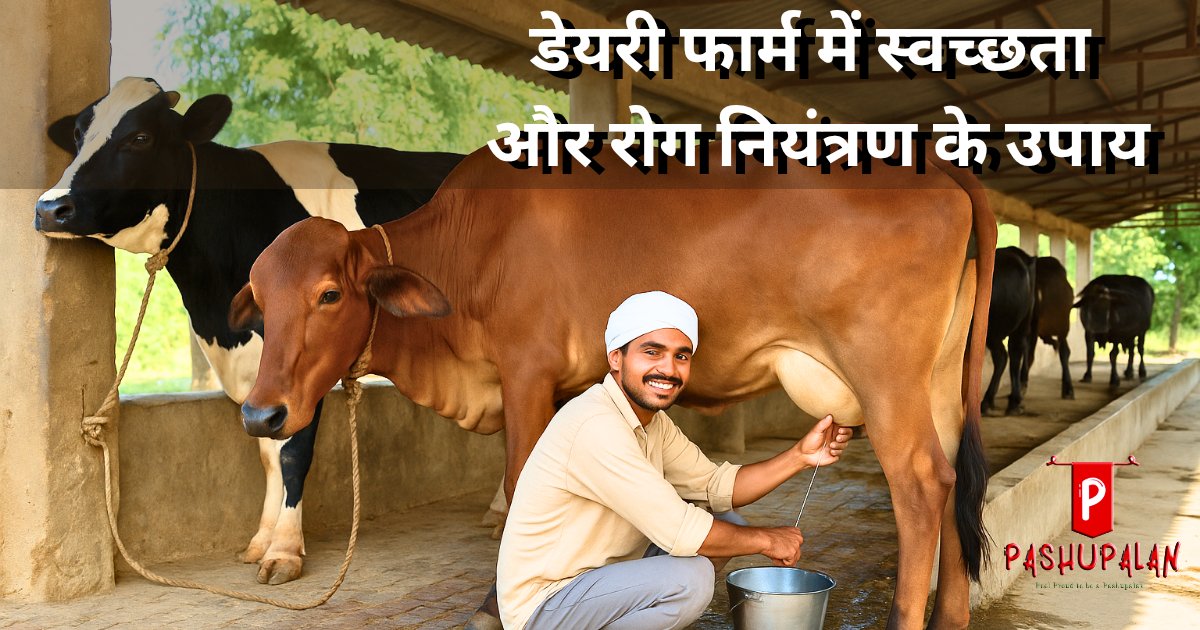

Dairy Hygiene: Disease Control
Easy steps for hygiene, vaccination, mastitis control, feed management, and disease detection in dairy farms. A practical guide for healthy cows and buffaloes and pure milk production.
Hygiene and Disease Control Measures in Dairy Farms
India is the world's largest milk producer, but the quality and consistency of milk production largely depend on dairy farm hygiene and animal health management. If the farm is not kept clean, diseases spread rapidly, milk becomes contaminated, and production decreases. Therefore, hygiene and disease control are two fundamental necessities that go hand in hand in dairy farming.
In this blog, we will learn what measures a simple farmer or dairy owner can take to keep their animals healthy, maintain a clean farm, and continuously increase production.
1. Why is Hygiene Essential in a Dairy Farm?
If the animals' living space is dirty, bacteria, fungi, flies, mosquitoes, and parasites thrive there. These cause diseases such as mastitis, foot rot, skin infections, and diarrhea. A clean environment keeps the animals stress-free, which positively impacts their digestion, reproduction, and milk production.
2. Clean Shed Design
The dairy shed should be designed in such a way that there is good air circulation and rainwater does not accumulate.
- The shed roof should be sloped so that rainwater drains away.
- The floor should be cemented and slightly sloped so that dung and dirt can flow away easily.
- Each animal should have at least 30–40 square feet of space.
- Ventilation is essential for light and air.
3. Daily Cleaning Routine
Cleanliness doesn't come from cleaning only once a week. For this, it is essential to establish a daily routine:
- Clean the floor before milking in the morning and evening.
- Wash the udder with lukewarm water and antiseptic before and after milking the animal.
- Remove the dung immediately and put it in the compost pit.
- Use neem spray or phenyl for fly control.
- Wash and disinfect the entire shed with sunlight once a week.
4. Basic Policy for Disease Control
For disease control, adopt the policy of “prevention is better than cure”. If an animal falls ill, not only does its production stop, but the infection can also spread to other animals.
Always remember the following:
- When buying a new animal, keep it in a separate enclosure (quarantine) for the first 15 days.
- Maintain a vaccination register for each animal.
- Perform deworming regularly.
- Regularly check for mastitis (udder inflammation).
- Adjust the diet according to the season to maintain immunity.
5. Measures to Prevent Mastitis
Mastitis (udder inflammation) is the most common and dangerous disease in dairy animals. To prevent it:
- Wash your hands and the udder before milking.
- Discard the first milk as it may contain bacteria.
- Disinfect the udder with povidone iodine after milking.
- Protect the udder from injury or dirt.
- Use clean cotton cloths or disposable napkins.
6. Fly and Parasite Control
During summer and the rainy season, flies and lice play a major role in spreading diseases.
- Keep the cow dung pit covered on the farm.
- Install fly-proof nets.
- Spray neem or lemongrass oil.
- Spray the animal's body with phenyl or insecticide once a week.
7. Hygienic Milking Process
Milking is a sensitive process. Mistakes here can directly transmit diseases to the consumer.
- Milking utensils should be made of stainless steel, washed daily and dried in the sun.
- Do not touch the milk with your hands; let it fall directly into the container.
- Cool the milk immediately after milking (using a chilling tank or ice).
- Smoking and entry with dirty clothes are prohibited on the farm premises.
8. Water and Feed Hygiene
Diseases often spread through water or feed. Therefore:
- Provide animals with clean and cool water.
- Clean the troughs and buckets daily.
- Store fodder in a dry place to prevent mold growth.
- Protect silage or hay from moisture.
9. Employee Training and Discipline
Sometimes diseases are spread not by the animals themselves, but by the negligence of employees. Therefore:
- Provide hygiene training to every employee.
- Mandate clean clothes and boots at work.
- Keep sick employees away from the animals.
- Use gloves, masks, and handwash for safety.
10. Following the Vaccination Schedule
The most effective way to control diseases is through vaccination.
The main vaccines include: * FMD (Foot-and-mouth disease) – every 6 months. * HS (Hemorrhagic septicemia) – once a year. * Black Quarter – once a year. * Brucellosis (in female calves) – once at 6–8 months of age. Keep the animal on an empty stomach at the time of vaccination and avoid vaccinating during hot or rainy days.Avoid vaccination.11. Early Detection of the Disease
Identifying the disease before it progresses is crucial. Some signs are:
- Sudden decrease in milk production.
- Loss of appetite or frequent lying down.
- Discharge from the nose or eyes.
- Fever or a drop in body temperature.
- Swelling in the udder or legs.
If any of these symptoms appear, immediately consult your local veterinarian.
12. What to Do in Case of Disease Outbreak?
- Immediately isolate the sick animal in a separate enclosure.
- Disinfect the equipment that came into contact with the animal.
- Do not use the milk.
- Inform the veterinary officer.
- Spray lime on the shed and floor.
13. Environmental Sanitation and Waste Management
Collect dung and urine in a pit to produce biogas or organic fertilizer. This will also prevent foul odor and reduce environmental pollution. Plant trees like neem, basil, jasmine, and lemongrass around the shed, which naturally purify the air.
14. Conclusion
The success of a dairy farm is directly related to its hygiene. A clean environment, clean water, a balanced diet, and regular vaccination—these are the four pillars that can provide any livestock farmer with healthy and productive animals for a long time.
Hygiene should not just be a habit but a culture of animal husbandry. Only when farmers adopt this will the dream of "smart dairy farming" become a reality.
Author: Animal Husbandry Team | Source: Pashupalan.co.in