Affordable and natural animal feeding methods – A complete guide for rural livestock farmers
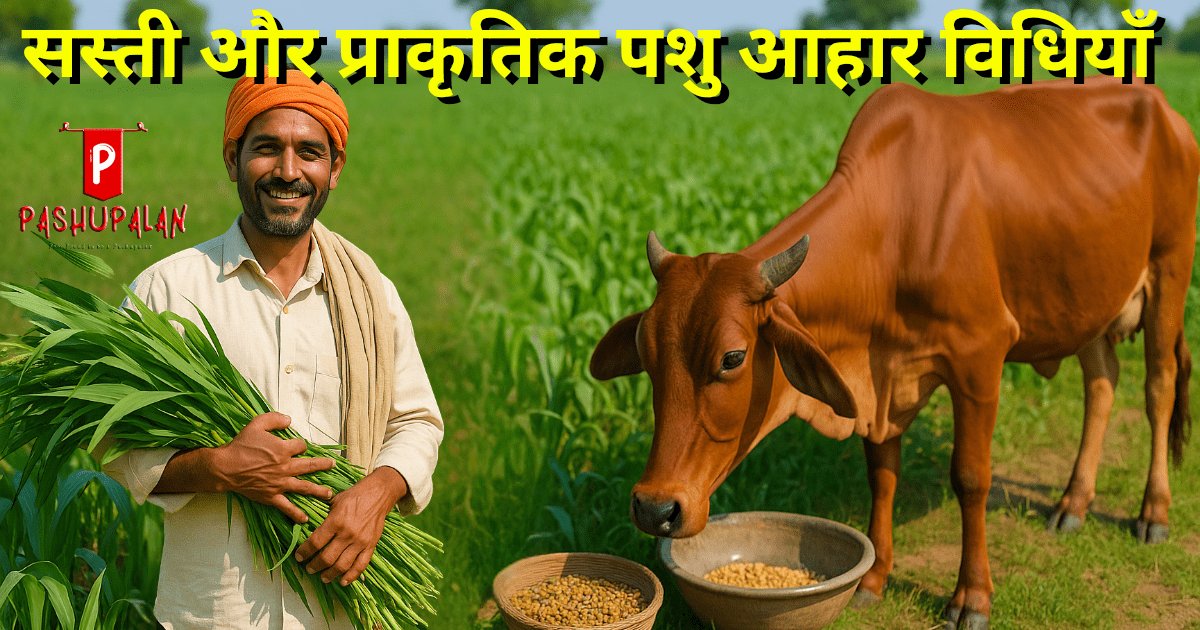
Low-Cost Natural Animal Feed
Learn how to prepare balanced and natural animal feed for cows, buffaloes, goats, etc., at a low cost. Green fodder, dry fodder, oilseed cake, mineral mix, and silage methods explained in detail.
Affordable and Natural Animal Feed Methods
Animal husbandry is the backbone of rural life in India. Cows, buffaloes, goats, or camels – every animal represents a source of income, food security, and emotional connection for the farmer's family. However, the biggest expense in animal husbandry is animal feed. Often, this expense limits farmers' income. Therefore, adopting affordable and natural animal feed methods is essential today, not only from an economic perspective but also from an environmental one.
In this detailed article, we will learn how every livestock farmer can prepare nutritious, inexpensive, and environmentally friendly feed for their animals by utilizing traditional knowledge, scientific thinking, and local resources.
1. Green Fodder – The Cheapest Source of Natural Energy
Green fodder is vital food for animals. It provides an excellent balance of water, vitamins, minerals, and energy.
In different parts of India, farmers cultivate various crops for green fodder. Berseem, lucerne, Napier grass, sorghum, millet, maize, sunn hemp, and oats are among the most popular options. These fodders can be grown inexpensively and also help maintain soil fertility.
If a farmer has limited land, hydroponic fodder production or using a "fodder machine" allows for growing fodder at home. This method produces fodder in just 7 days using only water and a nutrient solution, without soil.
2. Dry Fodder and Straw – Use in Balanced Proportions
Sometimes farmers feed their animals only on straw or dry fodder, which reduces both the quantity and quality of milk. Dry fodder is necessary, but the proportion must be correct.
The ideal ratio is — 2 parts green fodder + 1 part dry fodder. Dry fodders such as wheat straw, chickpea and pea pods, pigeon pea stalks, and mung bean straw provide bulk, keeping the animal's stomach full and maintaining a balanced digestive system. Digestion is further improved if these fodders are slightly moistened or softened through urea treatment.3. Homemade Feed Mix – Cheaper and More Nutritious than Market Options
Ready-made feed or feed mixes available in the market are expensive and often contain chemical additives. Instead, you can prepare your own feed. A common formula is as follows: Mix for dairy animals: 40% wheat bran + 30% mustard oil cake + 20% ground maize + 10% mineral mix and salt. This formula prepares 1 kg of feed for approximately ₹22–25, while market feed costs ₹35–45 per kg.4. Utilizing Kitchen and Farm Waste
Waste from the home or farm can also be part of a nutritious feed. For example: * Vegetable peels, dry bread, leftover rice – feed them after drying. * Sugarcane leaves, mung bean and urad bean pods, groundnut oil cake – all are sources of protein. * Use agricultural waste as animal feed before converting it into compost. This not only reduces costs but also helps in environmental conservation.5. The Importance of Mineral Mix and Salt
Often, animals appear healthy externally but suffer from mineral deficiencies internally. This leads to reduced milk production, decreased conception rates, and weakened immunity. Therefore, it is essential to give each animal 50–80 grams of mineral mix and a pinch of salt daily. If possible, use a lick mineral block (LMB) which the animals can lick as needed.6. Silage – A Solution for All Seasons
Silage is the process of preserving green fodder for a long time by fermenting it in airtight tanks or plastic pits. This process prevents spoilage and produces lactic acid, which aids digestion. This silage comes in handy during the rainy or winter seasons when green fodder is not available. Cut Napier grass or maize into small pieces, add a little jaggery and salt, and pack it tightly into a tank and seal it. After 30 days, the prepared silage can be stored for 6–8 months.7. Dietary Differences for Indigenous vs. Exotic Breeds
Each breed has different energy and nutritional requirements. Indigenous cows (such as Sahiwal, Gir, Tharparkar) can survive on less energy. Green fodder, oilcake mixture, and mineral mix are sufficient for them. Exotic breeds (such as HF, Jersey) produce more milk, so they require more protein and energy. A mixture of maize, mustard oilcake, and protein-rich grains is essential for them. If the diet plan is tailored to the breed, production increases and the risk of disease decreases.8. Special Diet Plan for Calves
The first food for a newborn calf is colostrum, the first milk. It is essential to give it within 2 hours of birth. After this: * 1–3 months: Milk + boiled water + bran mixture. * 3–6 months: Gradually reduce milk and start feeding green and dry fodder. * After 6 months: Provide a normal diet with a mineral mix. If calves receive a balanced diet from the beginning, they grow faster and produce better in the future.9. Diet Plan to Increase Milk Production
Milk yield depends not only on the breed but also on the quality of feed and water.Daily Diet Chart (per animal):
- 25–30 kg green fodder (Napier grass, Berseem)
- 8–10 kg dry fodder
- 3–4 kg oilcake mixture
- 1 liter of clean water per 10 kg of body weight
If the animal receives clean water, a balanced diet, and sufficient sunlight daily, milk production can increase by 15–25%.
10. New Trends in Animal Feed: Bio-fertilizers and Probiotic Feed
In recent years, probiotic feed, i.e., bacteria-based feed, has become increasingly popular. It increases the number of good bacteria in the gut, improving digestion and making more efficient use of the fodder.
Similarly, bio-fertilizer mixed fodder returns micronutrients from the soil back into the animal's body. In many parts of the country, farmers are now preparing herbal feed supplements made from cow urine, neem, Shatavari, and Triphala, which boost immunity.
11. Seasonal Feed Management
In summer: Provide a light diet, cool water, and a salt-water mixture are essential.
In winter: Increase the quantity of concentrate feed, provide warm water and sufficient dry fodder.
In the rainy season: Dry the fodder in the sun to prevent mold. Increase the use of immunity-boosting minerals.
12.
Rural Innovation and Indigenous KnowledgeMany rural livestock farmers have discovered new methods of providing inexpensive feed through their own experience, such as:
- Mixing jaggery and salt with mung bean straw.
- Soaking oilcake and bran in water and feeding it in the morning.
- Including neem leaves or basil stems in the fodder as a disease-preventive measure.
All these measures improve the animal's health, productivity, and immunity.
Conclusion
If farmers combine green fodder, dry fodder, oilcake, minerals, and local organic resources correctly, no animal will need expensive commercial feed.
Natural feed is not only cheaper but also improves the animal's longevity, immunity, and milk quality.
In the future, technologies like local feed milling, hydroponic fodder, and organic supplements will reduce the cost of livestock farming, making it a profitable business.
Author: Dr. Mukesh Swami, Senior Veterinarian and Livestock Team | Source: Pashupalan.co.in