A complete practical dairy guide for small farmers: daily routine, vaccination schedule (FMD, HS, BQ), deworming calendar and low cost, high impact management tips to improve milk production.
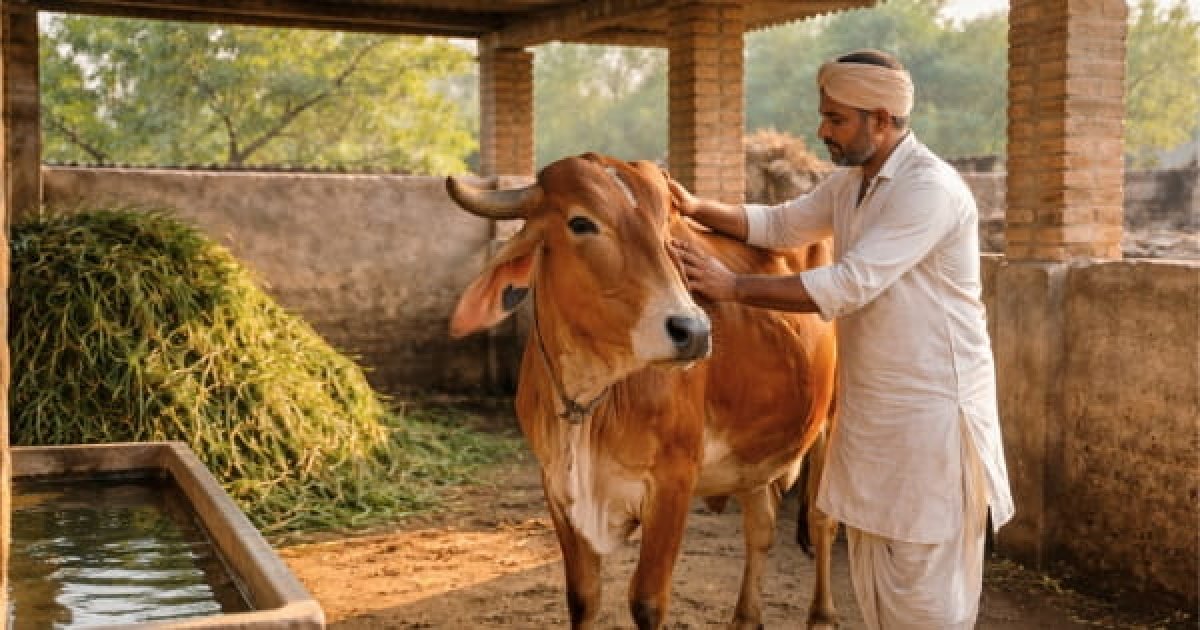

A complete practical dairy guide for small farmers: daily routine, vaccination schedule (FMD, HS, BQ), deworming calendar and low cost, high impact management tips to improve milk production.
A complete practical dairy guide for small farmers: daily routine, vaccination schedule (FMD, HS, BQ), deworming calendar and low cost, high impact management
In Indian villages, dairy farming is not just a milk business — it is the foundation of family income, nutrition, and dignity. Many small farmers hesitate thinking dairy requires heavy investment. The truth is that with the right routine, timely vaccination, and simple scientific management, even 1–5 animals can generate good profit.
This article presents a Practical Village Dairy Model that any small farmer can implement in daily life.
1️⃣ Daily Routine — Discipline is the Key to Profit
Morning (5:00–8:00 AM)
• Provide clean drinking water first (lactating cow ~ 40–60 liters/day depending on season & yield)
• Feed combination: Green fodder + Dry fodder (straw/chaff) + limited concentrate as required
• Clean udder before milking; discard first 2–3 streams
• After milking, apply udder dipping (mild iodine/chlorhexidine solution)
Afternoon
• Ensure shade and ventilation; water must be available especially in summer
• Observe rumination — reduced rumination may indicate digestive issue, fever, or discomfort
Evening
• Second milking (fixed timing improves yield)
• Check hooves and legs; remove dung promptly
• Observe animal for 5–10 minutes daily: appetite, movement, eyes, nose discharge, dung — early detection prevents major loss
2️⃣ Weekly Checklist
• Deep cleaning of shed; keep floor dry (moisture increases mastitis & fly problems)
• Check hooves for cracks, infection, lameness
• Provide Mineral Mixture daily (50–60 grams for lactating animals)
• Keep salt lick available
• Inspect for ticks and lice (under tail, ears, neck)
Low-Cost Tip: Spraying cooled boiled neem leaf water in shed corners may help reduce flies when combined with proper hygiene.
3️⃣ Vaccination Calendar
FMD (Foot and Mouth Disease) — Twice yearly (commonly March–April & September–October)
HS (Hemorrhagic Septicemia) — Once yearly (before monsoon: May–June)
BQ (Black Quarter) — Once yearly (before monsoon)
Brucellosis — Female calves at 4–8 months age (once in lifetime as per government program)
Note: Confirm schedule with your local veterinary hospital or government vaccination drive, as dates may vary by state.
4️⃣ Deworming Calendar
• Generally 3 times per year: February, June, October
• Calves: every 3–4 months as advised by veterinarian
• Always dose according to body weight — incorrect dosing reduces effectiveness
Low Cost – High Impact: Deworming works best when shed hygiene, clean water, and proper dung removal are maintained. Otherwise reinfection occurs quickly.
5️⃣ Low Cost – High Impact Management Practices
A) Water = Half the Medicine
Water is the cheapest feed component. Continuous access to clean water improves milk yield, digestion, and heat expression.
B) Udder Health (Prevent Mastitis)
• Clean before and after milking
• Maintain fixed milking time
• Keep floor dry
Prevention of mastitis saves more money than increasing feed.
C) Heat Detection
• Restlessness, mounting behavior, bellowing, vaginal discharge
Timely AI/breeding reduces “open days” and increases profitability.
D) Simple Balanced Feed Idea
Green fodder (available locally) + dry fodder + limited concentrate + mineral mixture + salt
Goal is not just filling stomach, but balanced nutrition.
6️⃣ Simple 1-Minute Farmer Record System
• Daily milk (AM/PM)
• Approximate feed intake
• Heat/AI date
• Vaccination/deworming date
This small record becomes the biggest tool for profit calculation.
7️⃣ Quick Action Plan (Start Today)
1) Improve water and shed dryness
2) Start mineral mixture + salt lick
3) Confirm FMD/HS/BQ dates with veterinarian
4) Fix deworming schedule
5) Maintain 1-minute daily record
Conclusion: For small farmers, dairy success depends not on expensive investment but on regular routine, preventive healthcare, and cleanliness. This is the real “Low Cost – High Impact” Practical Dairy System.
About the Author
Dr. Mukesh Swami is a retired (Voluntary) Senior Veterinary Officer with over 27 years of field experience in livestock health and rural dairy systems. Through Pashupalan.co.in, he guides farmers toward low-cost, practical and scientific dairy management.